Designated a UNESCO-MAB Biosphere Reserve in 2010, Kafa covers about 760,144 hectares of Afromontane forest, bamboo forest and wetland — ideal conditions for a diverse community of large herbivores.
Large herbivores in the reserve
Bohor reedbuck
Redunca reduncaA medium-sized antelope of grasslands and open woodland, known for its distinctive horns.
Bushbuck
Tragelaphus scriptusA widespread African antelope, adaptable to many different habitats.
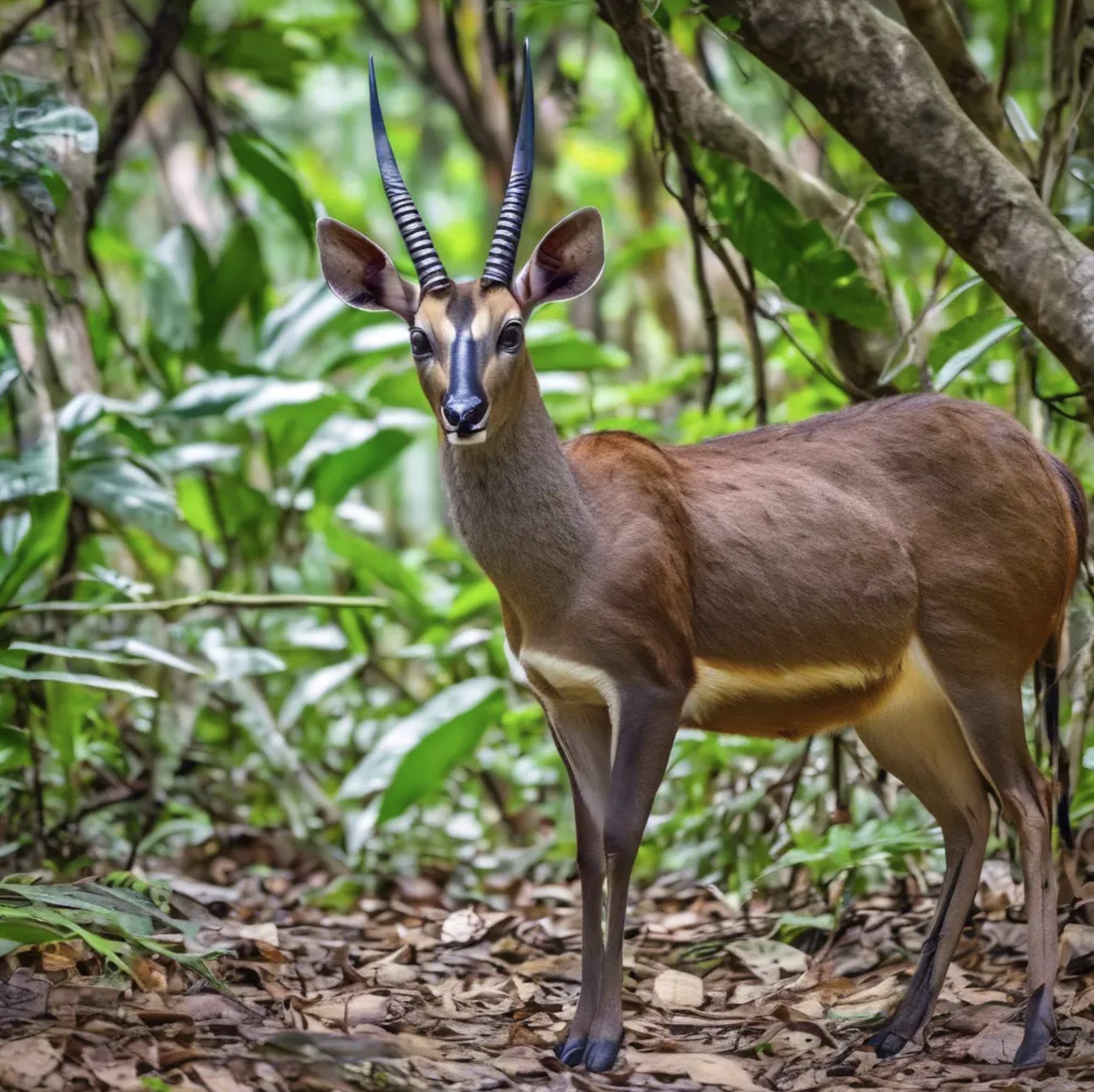
Bush duiker
Cephalophus spp.Several duiker species occur in Ethiopia and are common in forested areas.
African buffalo
Syncerus cafferLess common in the reserve, but found where the habitat suits them.
Hippopotamus
Hippopotamus amphibiusOccasionally found in riverine areas.
Why they matter
Seed dispersal
By eating fruit and depositing seeds elsewhere — often with a pile of nutrients — they spread plant species.
Ecosystem engineering
Grazing shapes vegetation structure, creating varied habitats for many other species.
Food for predators
They keep the food chain in balance and predator populations healthy.
“Herbivores keep pathways open through dense forest and keep the food chain in balance.”
Protection
Kafa is under national protection as a Regional Forest Priority Area. Habitat fragmentation, human–wildlife conflict and climate change remain threats, so conservation focuses on sustainable land use, community engagement and protecting wildlife habitat.