The Kafa Biosphere Reserve hosts six distinct primate species. Beyond being a joy to watch, they play a crucial role in seed germination and fertilisation across the reserve’s unique ecosystems.
Six primates of Kafa
Olive baboon
Papio anubisAdaptable ground foragers found from grasslands to woodlands. Opportunistic omnivores that disperse seeds and cycle nutrients — though their adaptability sometimes brings them into conflict with farmers.
Guereza
Colobus guerezaArboreal, leaf-eating and highly social. A flagship species for Kafa: their presence is used as an indicator of a healthy, intact forest.
Grivet monkey
Chlorocebus aethiopsKnown for the cheek pouches they use to store food. Found from forest to grassland, they help disperse seeds but are often seen as crop raiders.
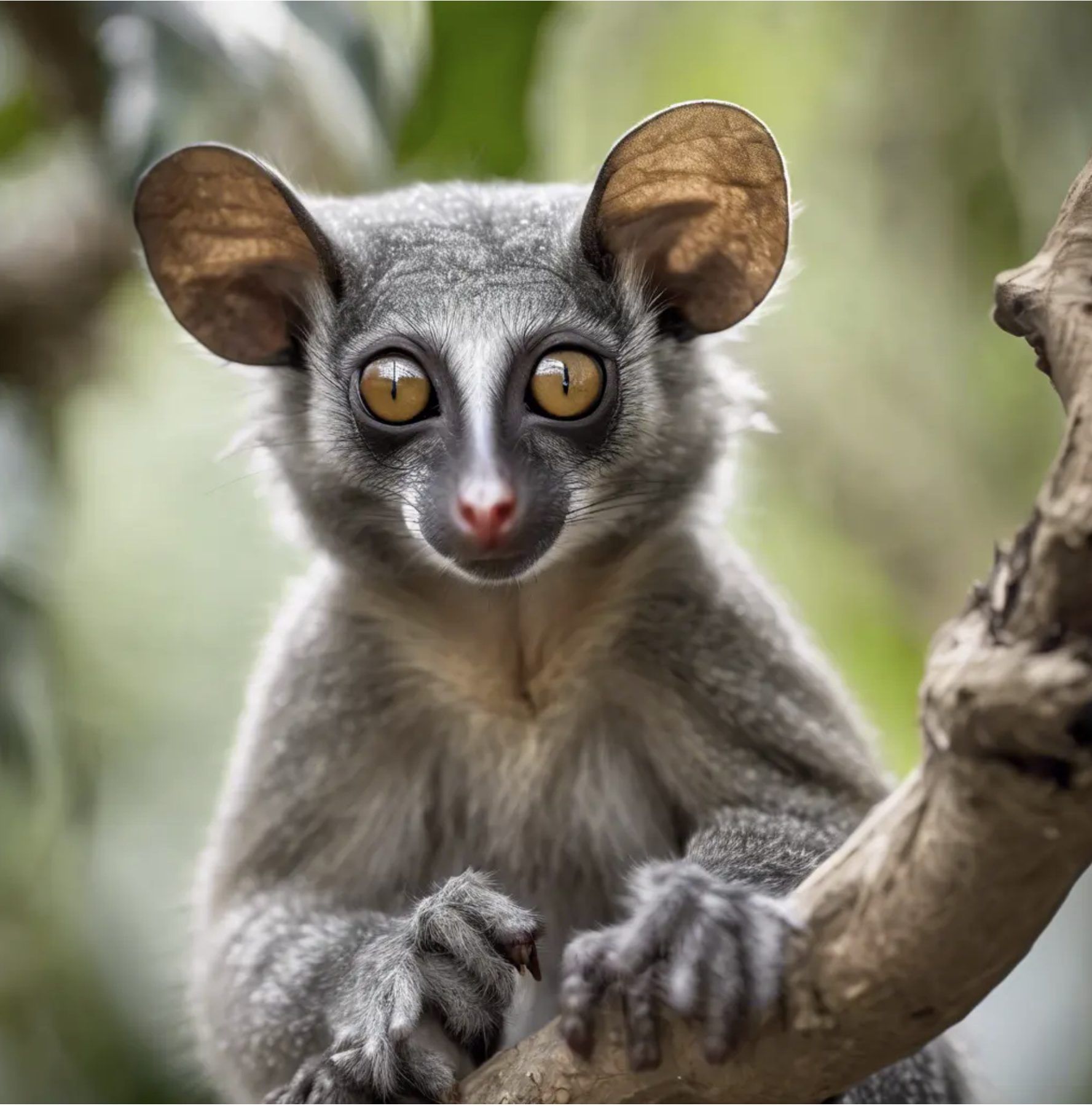
Lesser galago
Galago senegalensisNocturnal and rarely seen. Mainly insectivorous, they help keep insect populations in balance around farmland.
De Brazza’s monkey
Cercopithecus neglectusForest specialists that avoid disturbed habitat, known for social grooming. Their presence signals healthy forest.
Boutourlini’s blue monkey
Cercopithecus mitis boutourliniiEndemic to the western side of the Ethiopian Rift Valley. Sensitive to disturbance, they too are indicators of forest health.
“Each species contributes uniquely to the ecosystem.”
Challenges and conservation
Kafa’s monkeys face habitat destruction and human–wildlife conflict. Maintaining the reserve’s core areas and buffer zones is essential to protecting them, and educating local communities about primate conservation helps reduce conflict and promote coexistence.
By understanding and appreciating these monkeys, we can better support the conservation efforts that protect not only them but the rich biodiversity of the whole reserve.